1°
Iron Base (Fe)
2°
Copper Base (Cu)
3°
Corundum (Al₂O₃)
4°
Nickel Base (Ni / LIGA)
5°
Pure Silicon (Si)
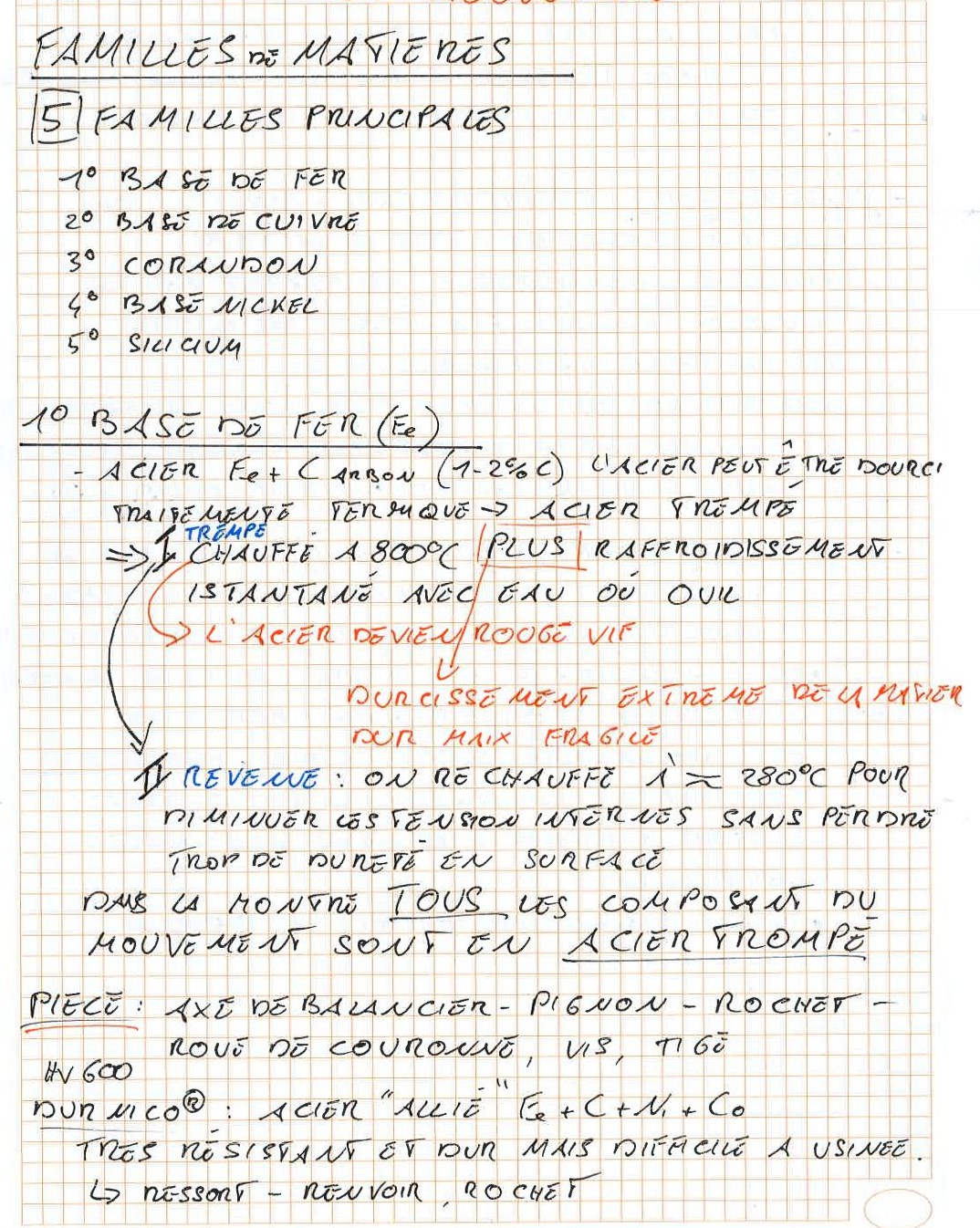
1° Iron Base (Fe): Steels & Heat Treatments
Iron alloyed with carbon forms the framework of components subjected to friction and mechanical stress constraints:
⚙️ Fundamental Workshop Rule:
In a mechanical watch, ALL steel components of the movement are strictly made of hardened steel.
- Parts made of hardened steel: Balance staff, pinions, ratchet wheel, crown wheel, screws, winding stem.
- Durnico® (600 Hv): High-strength alloy steel (Fe + C + Ni + Co). Very resistant and hard material, but difficult to machine. Used for resistant springs, intermediate wheels, and winding ratchets.
📷 ORIGINAL HANDWRITTEN NOTE (01-25) — Material Families & Iron Base (Steel, Quenching, Tempering, Durnico)
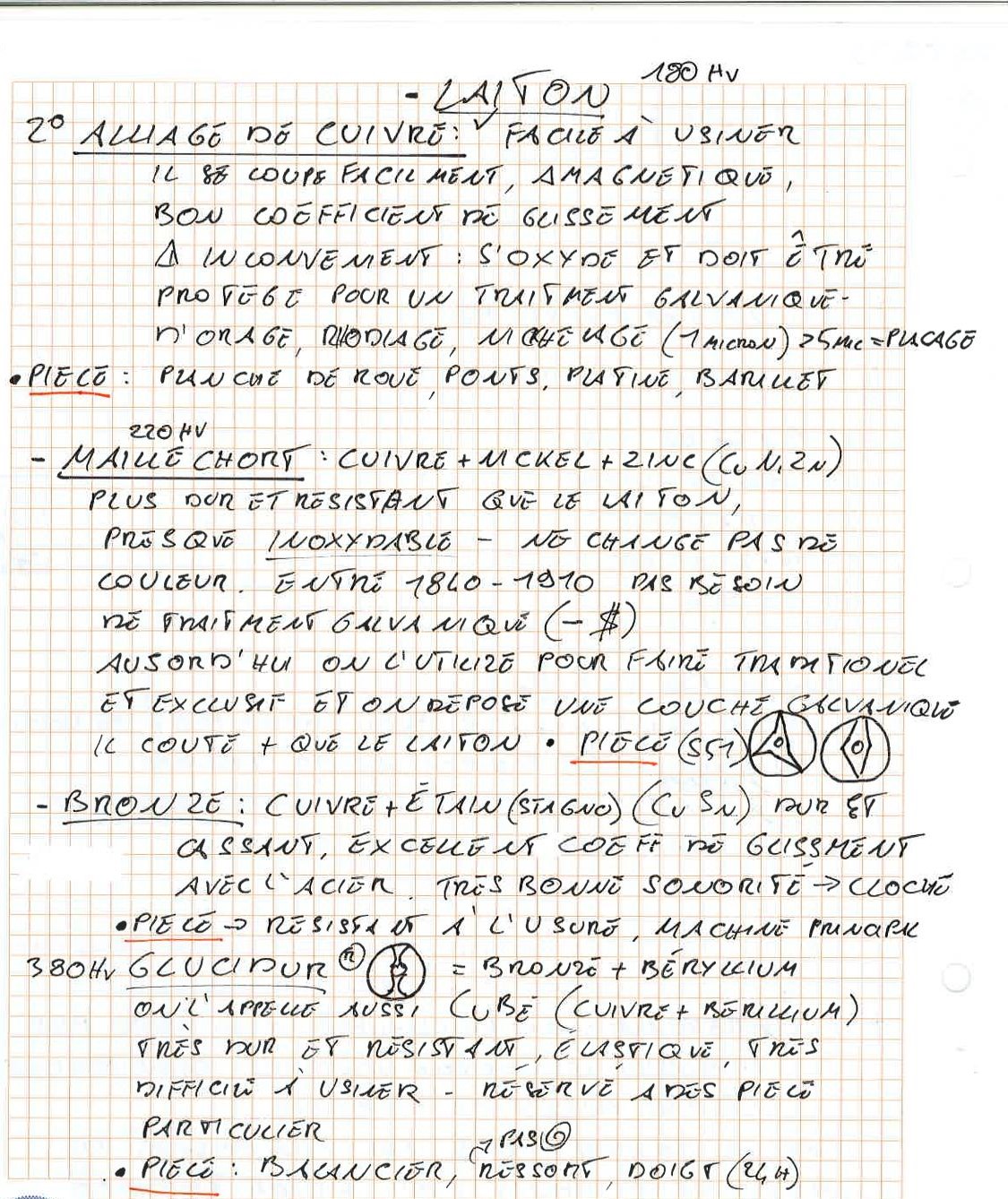
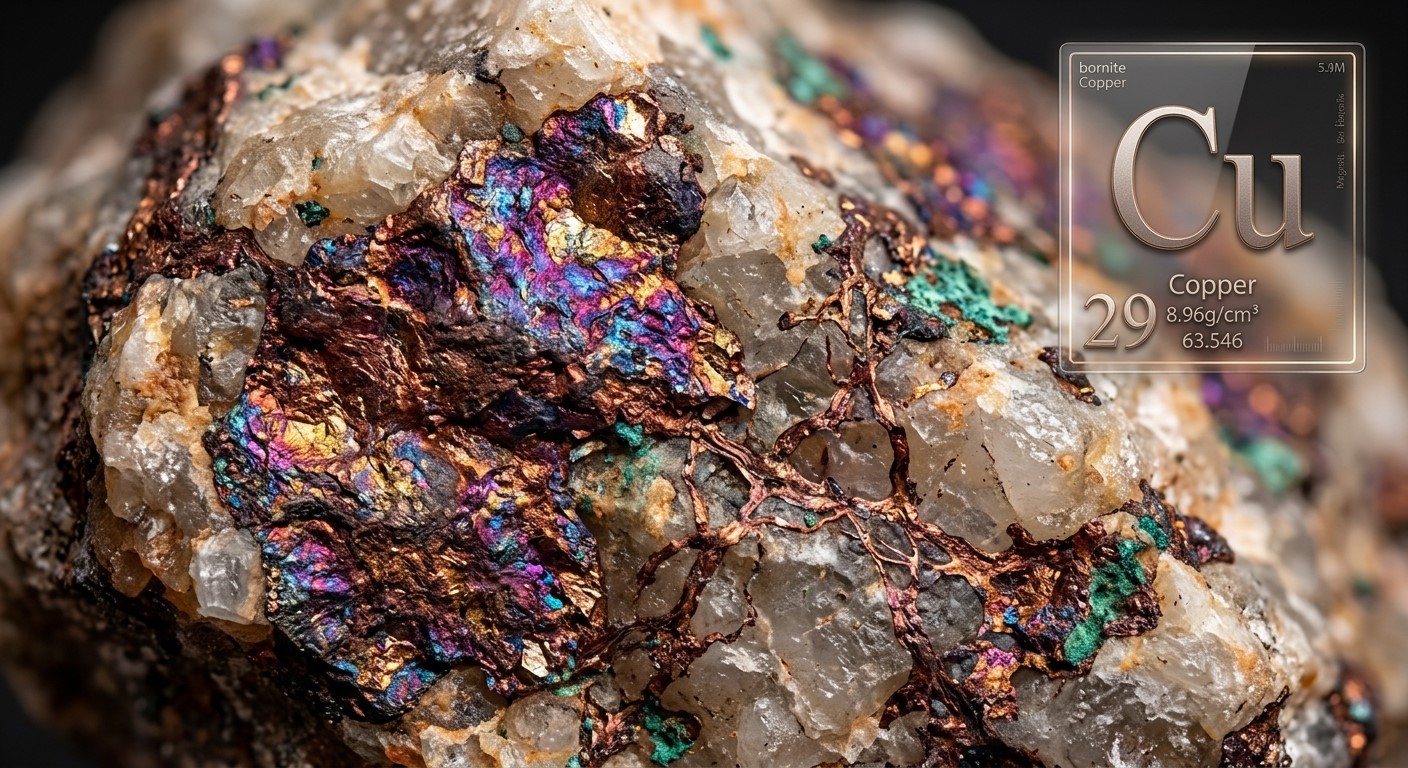
2° Copper Alloys (Copper Base)
Copper alloys are preferred for making frames (mainplates, bridges) and gear trains due to their machinability and non-magnetic qualities:
- Brass (180 Hv) — Copper + Zinc Alloy (Cu + Zn):
- Advantages: Easy to machine, cuts easily during gear cutting, non-magnetic, good natural sliding coefficient.
- Disadvantage: Oxidizes in open air! Must be strictly protected by galvanic surface plating: gilding, rhodium plating, nickel plating (classic deposition of 1 µm; greater than 5 µm = Plating).
- Parts: Wheel blanks, bridges, mainplates, barrel drum and cover.
- German Silver / Maillechort (220 Hv) — Copper + Nickel + Zinc Alloy (Cu + Ni + Zn):
- Properties: Harder and mechanically stronger than brass, practically stainless, does not alter over time.
- History & Usage: Between 1840 and 1910, it was used raw without any galvanic treatment. Today, it is reserved for traditional high-end calibers with decorative surface treatment. Its cost is higher than brass.
- Parts: Mainplates, high-end bridges, balance rim.
- Bronze — Copper + Tin Alloy (Cu + Sn):
- Properties: Hard and brittle material, featuring an exceptional sliding coefficient with hardened steel.
- Acoustics: Excellent acoustic resonance, traditionally used for gongs and bells of striking watches.
- Parts: Anti-wear mechanical parts, bushings, main machinery.
- Glucydur® (380 Hv) — Copper + Beryllium Alloy (Cu + Be):
- Properties: Beryllium bronze alloy with very high hardness and elasticity, non-magnetic, but very difficult to machine.
- Parts: Chronometric precision balance wheels, special springs, engagement fingers (not used for the hairspring).
📷 ORIGINAL HANDWRITTEN NOTE (01-26) — Copper Alloys (Brass, German Silver, Bronze, Glucydur)
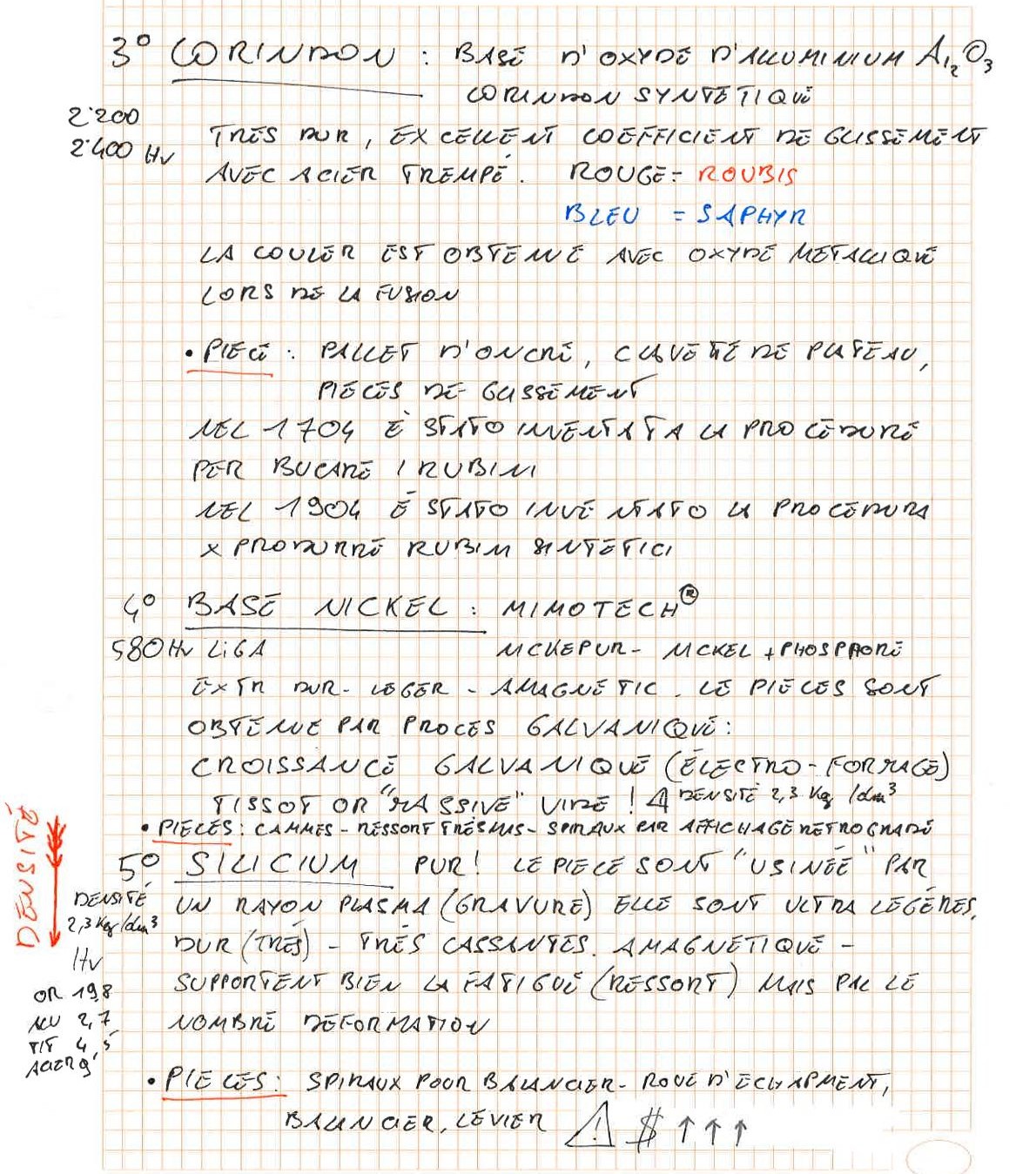
3° Corundum, Nickel Base (LIGA) & Pure Silicon
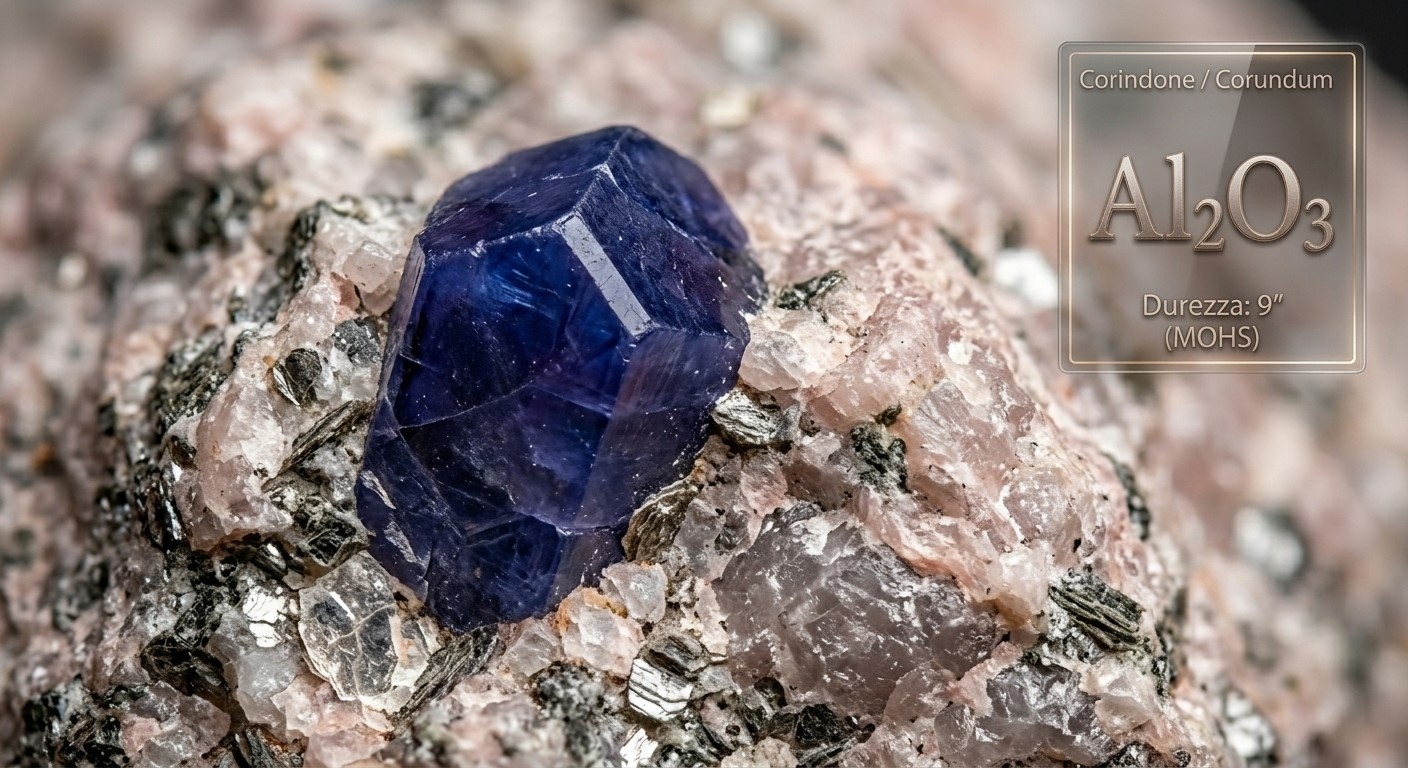
3. Synthetic Corundum (Al₂O₃ - Aluminium Oxide)
- Extreme Hardness: 2200 to 2400 Hv (located just below diamond on the Mohs scale).
- Properties: Near-zero friction coefficient in contact with polished hardened steel. Color is obtained by adding metallic oxides during thermal fusion:
- Red: Ruby (pallet jewels, roller pin, pivot stones).
- Blue / Transparent: Sapphire (protective watch crystals and transparent case backs).
- Historical Milestones:
- 1704: Invention of the natural ruby drilling process for watch bearings.
- 1904: Invention of the synthetic ruby fusion process (Verneuil process).
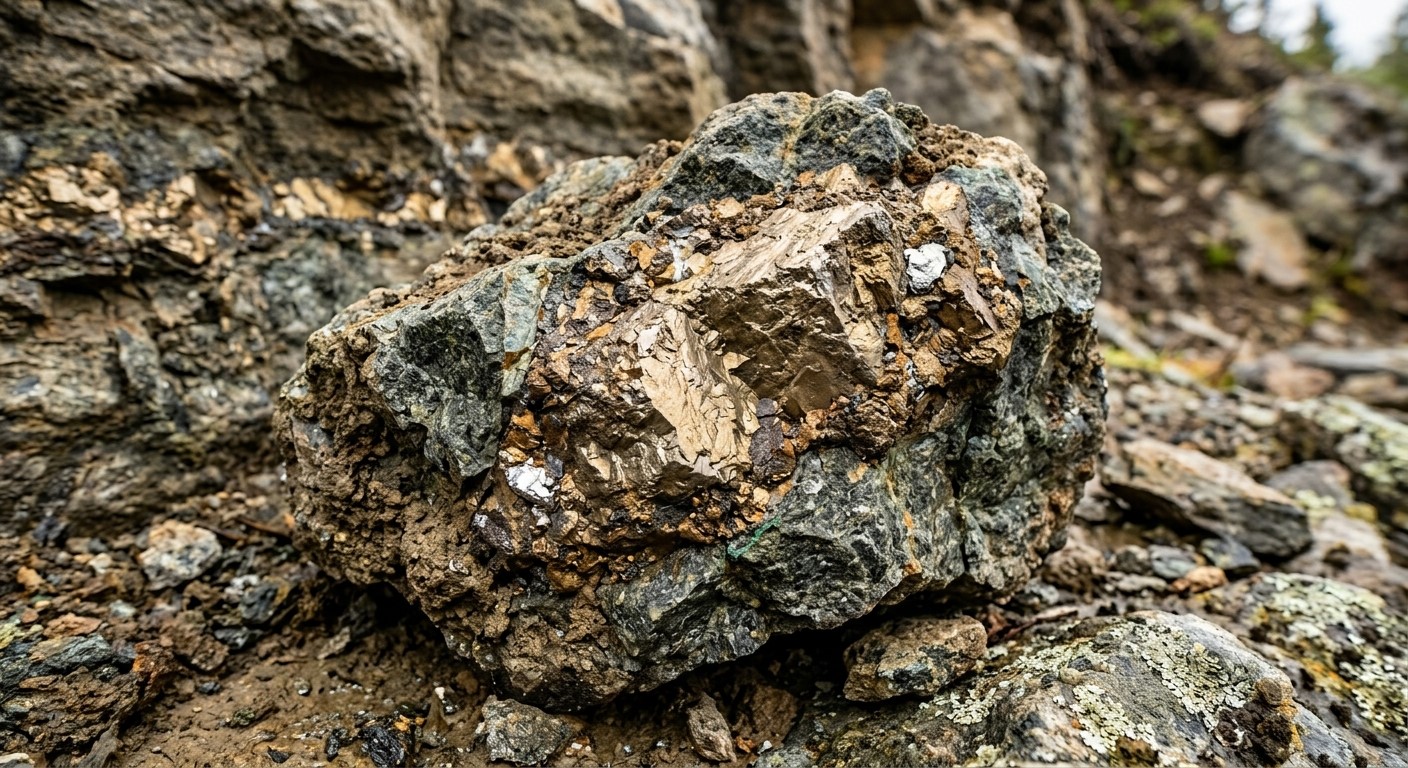
4. Nickel Base & Mimotec® Technology (580 Hv)
- Composition: Pure nickel or Nickel-Phosphorus alloy (Ni + P).
- Manufacturing Process: Precision galvanic growth by micro-machining (LIGA technology / electroforming).
- Properties: Extremely hard, lightweight, perfectly non-magnetic. Allows the design of complex, massive, or highly open-worked components.
- Parts: Chronograph cams, complex springs, retrograde display wheels.
4b. Technical Focus: Mimotec Technology (UV-LIGA Process)
Pioneering in watchmaking, the Swiss company Mimotec uses the UV-LIGA process (Lithographie, Galvanoformung, Abformung - Lithography, Electroforming, Molding). It is a micro-fabrication method combining photography and galvanic chemistry, completely replacing traditional mechanical milling.
- 1. Photolithography (The Mold): A photosensitive resin is applied to a conductive plate. Exposed to UV rays through a mask, the resin outlines the exact shape of the part. The unpolymerized part is dissolved, creating an ultra-precise empty mold.
- 2. Electroforming (Growth): The plate is immersed in a galvanic bath. Nickel (or Nickel-Phosphorus) ions deposit atom by atom, "growing" from bottom to top to fill the resin mold.
- 3. Part Release: The remaining resin is chemically dissolved, releasing the solid and perfectly formed metal component.
Advantages for Haute Horlogerie:
Absolute precision (micron tolerances), native smooth flanks (mirror surface finish without manual polishing), total absence of mechanical stress on the material, and the ability to create complex geometries impossible with CNC machining (perfect internal sharp corners).
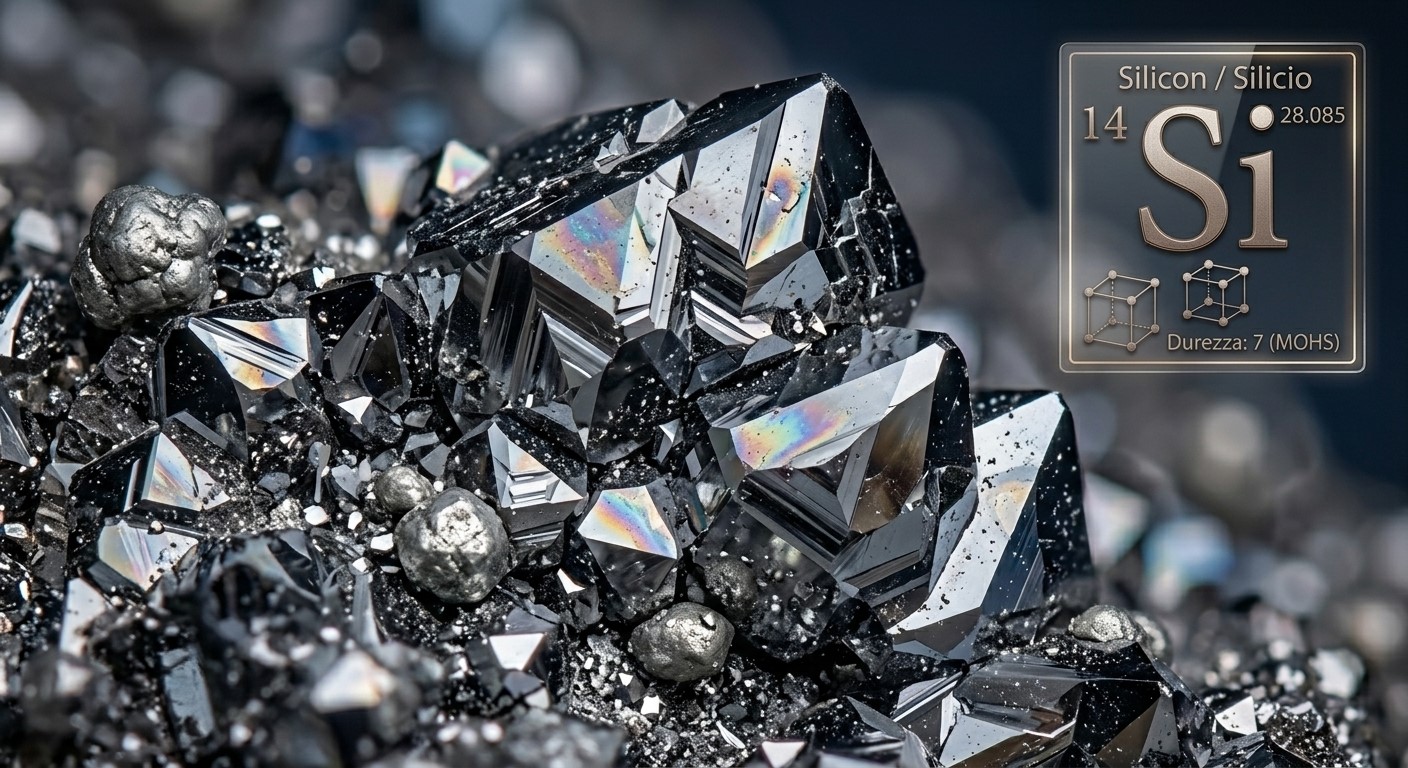
5. Pure Silicon (Si)
- Density and Lightness: Density of 2.3 kg/dm³ (comparison: Aluminum 2.7, Titanium 4.5, Steel 7.9, Gold 19.3).
- Machining: Plasma beam etching (DRIE technology).
- Properties: Ultra-lightweight, extremely hard, very brittle, 100% non-magnetic. It remarkably withstands cyclic elastic fatigue but tolerates no plastic deformation.
- Parts: Balance spring hairsprings, escape wheels, pallet levers, innovative balance wheels.
📷 ORIGINAL HANDWRITTEN NOTE (01-27) — Corundum, Ruby, Mimotec® LIGA & Pure Silicon
Workshop Comparative Table: Hardnesses & Densities
| Material |
Formula / Alloy |
Vickers Hardness |
Density (kg/dm³) |
Typical Watchmaking Components |
| Brass |
Cu + Zn |
180 Hv |
8.4 – 8.7 |
Mainplates, bridges, wheels, barrels |
| German Silver |
Cu + Ni + Zn |
220 Hv |
8.7 |
High-end frames, traditional bridges |
| Glucydur® |
Cu + Be |
380 Hv |
8.25 |
High-precision balance wheels, fingers, springs |
| Mimotec® (LIGA) |
Ni + P |
580 Hv |
2.3 – 8.9 |
Precision cams, retrograde gear trains |
| Durnico® |
Fe + C + Ni + Co |
600 Hv |
8.0 |
Resistant springs, ratchets, intermediate wheels |
| Hardened Steel |
Fe + C (1 to 2% C) |
700 – 800 Hv |
7.85 |
Balance staffs, pinions, screws, stems |
| Pure Silicon |
Pure Si |
1100 Hv |
2.3 |
Non-magnetic hairsprings, modern escapements |
| Corundum (Ruby) |
Al₂O₃ |
2200 – 2400 Hv |
4.0 |
Bearing stones, pallet jewels, roller pin |